
-
 Cutting Pliers 1 x $80.00
 -
 Safety Helmet 1 x $120.00
 -
 Jack Hammer Drill 1 x $230.00
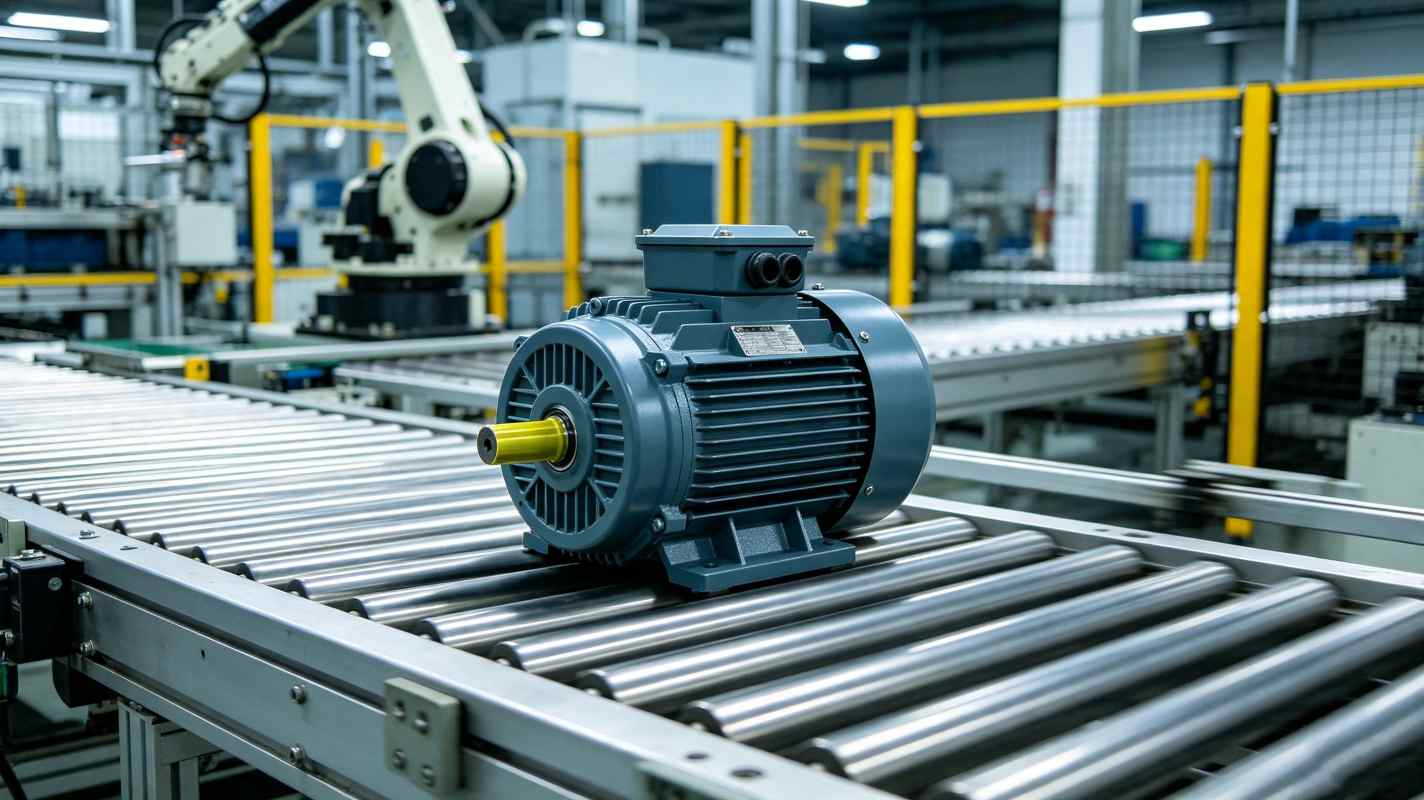
Smart HVAC Equipment and the Future of Energy Efficiency
Smart technology is changing the way heating, ventilation, and air conditioning equipment is designed, operated, and maintained. As commercial buildings and industrial facilities seek better energy management, HVAC manufacturers are increasingly integrating electronic controls, sensors, and connected monitoring systems into modern equipment.
These developments help HVAC systems respond more effectively to changing environmental conditions and building occupancy. Electric motors remain a key part of this evolution because they drive the fans and pumps responsible for air movement and fluid circulation.
Combining suitable motor technology with intelligent control systems can improve operating flexibility, support energy-saving strategies, and help equipment operators maintain reliable performance.
What Is Smart HVAC Equipment?
Smart HVAC equipment uses sensors, electronic controllers, and automated operating strategies to manage heating, cooling, and ventilation according to actual demand.
Traditional systems may operate according to fixed schedules or basic temperature settings. Smart systems can use additional information, including occupancy, outdoor temperature, humidity, airflow, and system pressure, to adjust equipment operation.
For example, an air handling unit may reduce fan speed when the required airflow decreases, while a chilled water pump may adjust its output according to the cooling demand of the building.
These functions can help reduce unnecessary operation and improve comfort when properly designed and commissioned.
Smart control does not automatically guarantee lower energy consumption. The results depend on sensor accuracy, system configuration, equipment efficiency, and the quality of the control strategy.
The Role of Electric Motors in Smart HVAC Systems
Electric motors provide the mechanical power required by many HVAC components. Fan motors drive air circulation equipment, while pump motors support chilled water and heating water distribution.
In smart HVAC installations, motor operation may be adjusted through variable frequency drives or other compatible control systems. This allows the speed of selected fans and pumps to respond to changes in demand.
Three-phase induction motors are widely used in industrial and commercial HVAC applications because of their robust construction and broad availability in different power ratings and mounting configurations.
High-efficiency motor designs can further reduce electrical losses. For suitable applications, equipment manufacturers may evaluate IE3 efficiency-class motors or other technologies that meet the relevant project requirements.
Motor and drive compatibility must be confirmed before variable-speed operation is introduced. Engineers should consider the operating speed range, cooling requirements, insulation system, and protection settings.
Variable Speed Control for Fans and Pumps
Variable frequency drives are commonly used to control compatible AC motors in HVAC systems. By adjusting the frequency supplied to the motor, a drive can regulate rotational speed to meet the required operating conditions.
For ventilation fans, speed control can help match airflow to occupancy and ventilation demand. This can be particularly useful in office buildings, shopping centers, hotels, and other facilities where requirements change throughout the day.
In suitable pumping applications, variable speed operation can adjust water circulation according to cooling or heating demand. This may reduce unnecessary pumping power while maintaining the required system performance.
Centrifugal fans and pumps often provide substantial energy-saving opportunities when their operating speeds can be reduced. However, the actual benefits depend on system resistance, static pressure, minimum flow requirements, and control settings.
A complete engineering assessment is necessary to determine whether variable speed control is appropriate for a particular HVAC installation.
Sensors and Building Management Systems
Sensors provide the information needed for automated HVAC control. Temperature sensors help maintain indoor comfort, while pressure sensors can support fan and pump control. Airflow sensors may also help verify ventilation performance.
Building management systems can coordinate the operation of multiple HVAC components. Instead of controlling each motor independently, a properly configured system can consider the requirements of the wider building.
For example, a controller may adjust fan speed, damper position, and cooling output together to maintain suitable indoor conditions. Coordinated control can help avoid situations in which individual components operate inefficiently because they are responding to different targets.
Sensor placement and calibration are important for reliable performance. Incorrect readings can cause unnecessary equipment operation or prevent the system from meeting ventilation and temperature requirements.
Predictive Maintenance and Equipment Monitoring
Smart HVAC systems can also support condition monitoring and maintenance planning. Operating data can help maintenance teams identify changes that may indicate developing equipment problems.
Vibration measurements may reveal fan imbalance or bearing deterioration. Temperature monitoring can help identify abnormal motor heating, while electrical measurements may provide useful information about load conditions.
By reviewing these signals over time, operators may be able to identify problems earlier and schedule maintenance before a failure causes major disruption.
However, monitoring systems do not eliminate the need for physical inspections. Data should be interpreted alongside equipment history, manufacturer recommendations, and observations from qualified maintenance personnel.
For critical facilities, combining condition monitoring with a structured preventive maintenance program can support more dependable operation.
Energy Efficiency Through Integrated Design
Smart controls are most effective when combined with efficient mechanical and electrical components.
A high-efficiency motor may reduce electrical losses, but overall system performance also depends on fan and pump selection, ductwork design, piping resistance, filtration, and heat transfer.
For example, a ventilation system with blocked filters may consume unnecessary energy even when its motor operates efficiently. Similarly, incorrect pump sizing can reduce the effectiveness of an otherwise well-designed control strategy.
HVAC manufacturers should therefore evaluate the complete equipment package. Efficient motors, appropriately sized fans, suitable drives, accurate sensors, and well-designed control sequences can work together to improve performance.
Regular commissioning and periodic review of control settings help ensure that the system continues to operate as intended.
The Future of Intelligent HVAC Equipment
As building automation and energy management technologies continue to develop, intelligent HVAC equipment is expected to become increasingly common in commercial and industrial environments.
Connected monitoring, demand-based control, and improved motor technology provide opportunities to reduce unnecessary energy use and support more reliable equipment operation.
For HVAC manufacturers, integrating efficient motors and compatible controls can help develop products that respond to modern building requirements. For facility operators, monitoring performance and maintaining equipment properly can improve operating efficiency and reduce avoidable downtime.
The future of HVAC efficiency will depend on combining reliable mechanical components with intelligent control, accurate data, and sound engineering. When these elements work together, smart HVAC equipment can support comfortable indoor environments and more effective energy management.
Electric Motor Manufacturing & Industrial Solutions
We specialize in the manufacturing and supply of high-efficiency motors, three-phase induction motors, fan motors and customized motor solutions for various industrial applications.