
-
 Cutting Pliers 1 x $80.00
 -
 Safety Helmet 1 x $120.00
 -
 Jack Hammer Drill 1 x $230.00
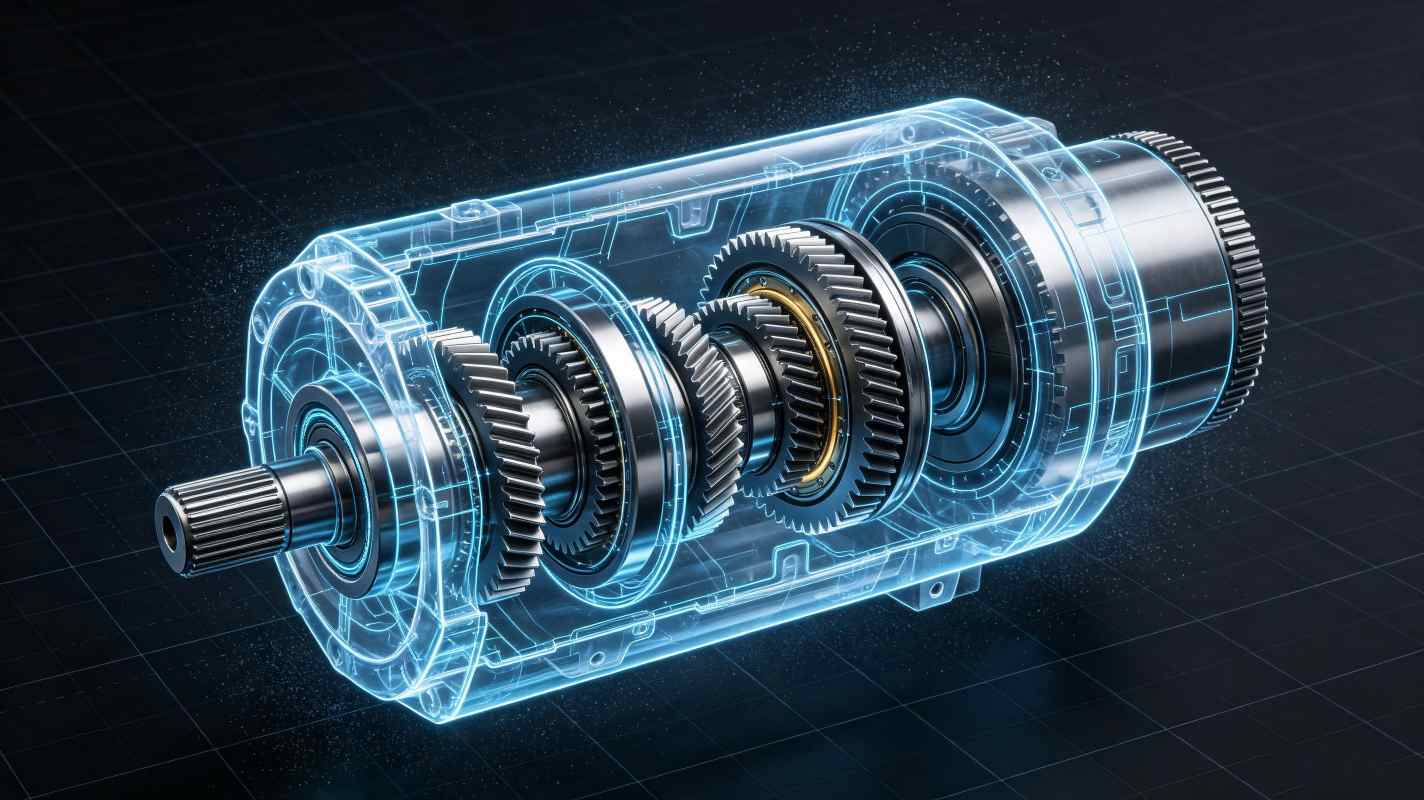
Energy-Efficient Motors for Modern HVAC Equipment
Heating, ventilation, and air conditioning (HVAC) equipment plays an essential role in maintaining comfortable indoor environments in commercial buildings, industrial facilities, hospitals, hotels, and residential developments. As energy costs and building performance requirements receive increasing attention, equipment manufacturers are focusing on improving the efficiency and reliability of HVAC systems.
Electric motors are important components in many HVAC applications. They drive ventilation fans, air handling units, condenser fans, cooling tower fans, and water pumps. Selecting suitable motors can help reduce energy losses, improve equipment performance, and support dependable operation over the service life of an HVAC system.
The Role of Electric Motors in HVAC Equipment
Modern HVAC systems rely on several mechanical components to control temperature, humidity, and indoor air circulation. Electric motors provide the mechanical power required to move air and water through these systems.
In air handling units, motors drive fans that distribute conditioned air through ductwork. Ventilation fans help introduce fresh air and remove stale air from indoor spaces. Condenser fan motors support heat rejection in air conditioning equipment, while pump motors circulate chilled water and heating water in hydronic systems.
Each application has specific operating requirements. Motor power, speed, torque, duty rating, and environmental protection must be matched to the equipment being driven.
A properly selected motor helps maintain the required airflow or fluid circulation while avoiding unnecessary mechanical stress and energy consumption.
Why Motor Efficiency Matters
Many HVAC systems operate for extended periods each day. In offices, shopping centers, hotels, and industrial buildings, fans and pumps may run for thousands of hours annually.
Under these conditions, motor efficiency can influence long-term electricity costs. High-efficiency motors are designed to reduce losses caused by winding resistance, magnetic effects, friction, and other operating factors.
Three-phase induction motors are widely used in commercial and industrial HVAC equipment because of their robust construction and dependable performance. IE3 efficiency-class motors are one option for applications requiring or preferring improved motor efficiency, subject to applicable regulations and project specifications.
The actual energy savings depend on the motor's operating load, operating hours, existing equipment efficiency, and electricity costs. Therefore, evaluating expected operating conditions is important when comparing motor options.
Applications in Air Handling and Ventilation Systems
Air handling units are widely installed in commercial buildings to circulate and condition indoor air. Their fan motors must provide sufficient power to overcome resistance from filters, cooling coils, dampers, and ductwork.
If filters become blocked or ductwork is poorly designed, the fan may require additional power to maintain the desired airflow. This can increase operating costs and reduce overall system performance.
Combining an appropriately sized motor with an efficient fan and well-designed ductwork can help improve energy efficiency. Regular filter replacement and duct inspection are also important for maintaining airflow.
In systems with changing ventilation demand, variable frequency drives can adjust motor speed according to operating requirements. When correctly designed and commissioned, this approach can reduce unnecessary fan power consumption during periods of lower demand.
Motor Selection for Different HVAC Applications
HVAC equipment includes a broad range of fans, pumps, and other motor-driven components. Selecting the correct motor requires consideration of the equipment's rated power, rotational speed, voltage, frequency, and duty cycle.
Condenser fan motors may need to operate in outdoor environments where temperature, moisture, and dust affect equipment selection. Cooling tower motors may require suitable protection against moisture and exposure to the surrounding environment.
Pump motors must match the requirements of the pump and fluid circulation system. Their selection should consider flow requirements, pressure head, load characteristics, and expected operating conditions.
For variable-speed applications, engineers should verify the compatibility of the motor, drive, and driven equipment. Permitted speed ranges, motor cooling, and insulation requirements should be considered before commissioning.
Improving HVAC Reliability Through Maintenance
Routine maintenance helps preserve motor efficiency and reduce unexpected equipment downtime. Common maintenance activities include inspecting electrical connections, monitoring operating temperature, checking bearing condition, and investigating unusual noise or vibration.
Fan blades should be inspected for damage or imbalance, while cooling passages should remain unobstructed. Pumps and connected equipment should also be checked for mechanical problems that could increase motor loading.
HVAC system maintenance should include filters, coils, dampers, and ductwork. A motor may be operating correctly even when the overall system consumes excessive energy because of airflow restrictions or poor heat transfer.
Identifying the underlying cause of a performance problem helps maintenance teams avoid unnecessary motor replacement and improve overall system operation.
Supporting Sustainable Building Operations
Energy-efficient motors are an important part of the broader effort to improve HVAC system performance. Their benefits are greatest when they are integrated into a complete solution that includes suitable fans, efficient pumps, effective controls, and regular maintenance.
For HVAC equipment manufacturers, selecting reliable motors can improve product performance and help meet customer expectations. For building operators, reviewing motor efficiency and operating conditions can identify opportunities to reduce avoidable energy consumption.
As building systems become more intelligent and energy-conscious, appropriate motor selection will continue to support efficient ventilation, heating, and cooling. A combination of efficient components, sound engineering, and consistent maintenance provides a practical foundation for dependable HVAC equipment.
Electric Motor Manufacturing & Industrial Solutions
We specialize in the manufacturing and supply of high-efficiency motors, three-phase induction motors, fan motors and customized motor solutions for various industrial applications.